How did the Sumerians of the Early Dynastic period interact with death and the afterlife through their mythic literature?
For the Sumerians, there was no life after death, no heaven or benevolent god. Instead, fickle and capricious gods awaited with a shadowy netherworld beyond the metaphorical mountain. Because of this, the Sumerians differed greatly from the cultures around them regarding their thoughts on death, the neighbouring Hebrew or Egyptian cultures for instance. How did the Sumerians of the Early Dynastic period interact with death and the afterlife through their mythic literature? The Sumerian’s view on death, burial, and the ‘afterlife’ was overall pragmatic and focused on the means of attaining greatness in life; their interactions with death show this attitude through their mythic literature and is seen in these major sources: Gilgameš, Enkidu and the Netherworld, The Death of Gilgameš, The Death of Ur-Namma, and Inanna’s Descent to the Netherworld.
One of the greatest civilisations whose inventions span from writing, to geometry to the potter’s wheel; the Sumerians were a people that lived approximately 4600 years ago during the Early Dynastic period of about 2900 to 2350 B.C.E. They lived in walled city-states that dotted the land around the southern Tigris and Euphrates rivers in what is commonly called the cradle of civilization. Their most well-known invention, writing, is found the the form of cuneiform. Cuneiform was the wedge-shaped characters that were imprinted into tablets of clay and baked to create durable and complex documents. Its original use has been found for collecting taxes and taking inventory but it soon evolved into the literary machine that it is today. From that evolution, we get great works such as The Epic of Gilgamesh or eternally famous poets such as the high priestess Enheduanna. The majority if not all of these cuneiform literary works involve the vast and thoroughly entertaining pantheon that ruled Mesopotamian religion. From these mythical stories, we get to the heart of this topic, the Sumerian netherworld.
See the paper in the Documents tab to find the full argument!
The Netherworld
Above is an artistic rendition of Kur, the Sumerian netherworld, and its atributes.
The general understanding of Kur is that is it the bleak and grey parallel to the land of the living, where its residents drink brackish water and eat bread made of clay. This netherworld has its caveats though, for those with many dutiful decedents offerings of food and drink can be left at cult altars and are able to feed their ancestors
Sumer’s City States
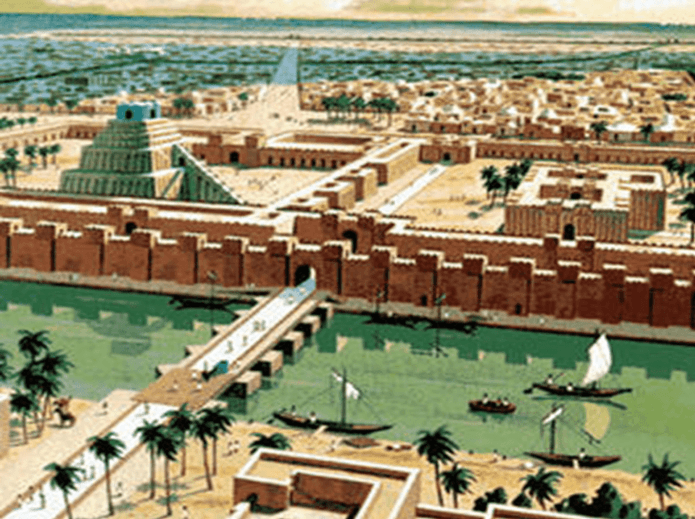
Sumer was made up of a vast collection of city states help together by language, culture, and religion. Important ones include: Ur, Uruk, Eridu, etc. They fought and they traded but overall flourished until the Akkadians arrived but still under their rule they were preserved and continued their traditions and culture with a unique blend of the two cultures.
The Pantheon
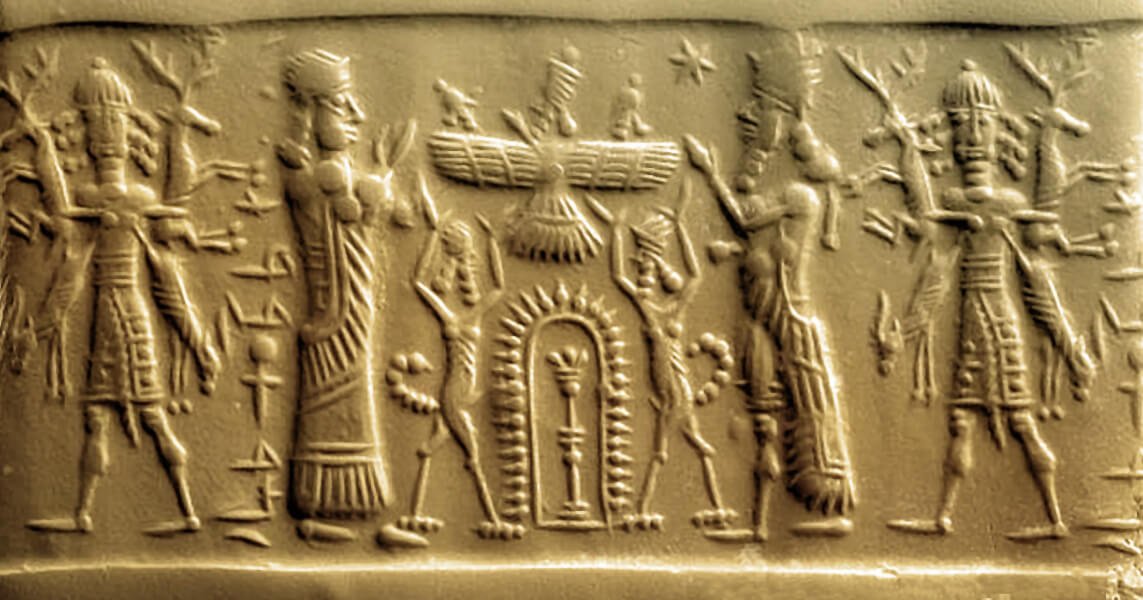
The Sumerian pantheon is full of capricious, fickle, and ambitious deities who act much like humans given grand powers. They are not mortal however and have great battles and plots against and for one another weaving a complex web of mythos and relations that make its’ stories so rich. Main gods and goddesses to note are: Enki, Inanna, Ereshkigal, Dummuzid, Anu, and more.
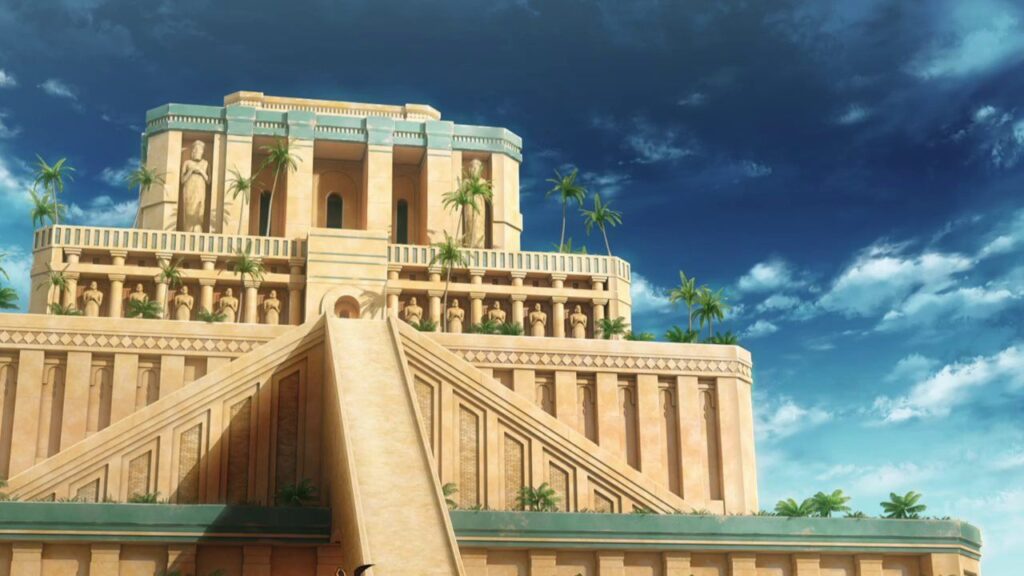
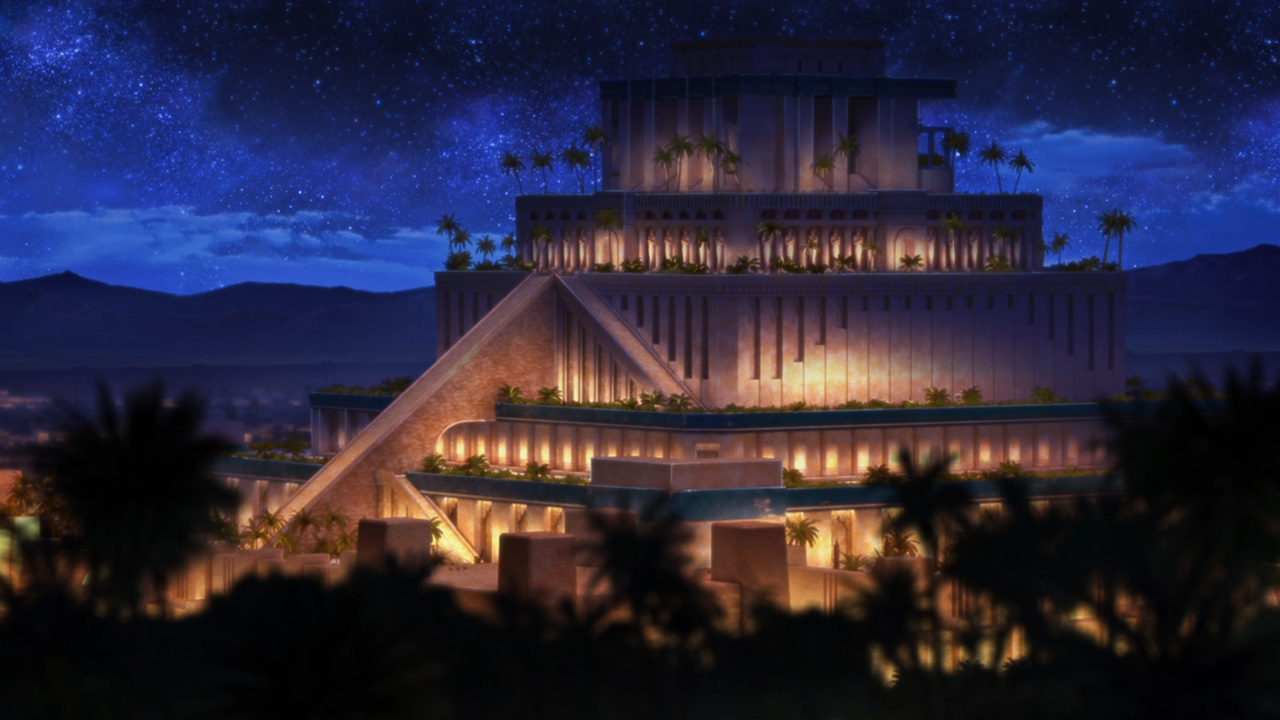
Artistic rendition of the ziggurat at Uruk.
This video may help!

“Inventors of Firsts”
Winner

“Tales, Epics, & Myths”
Winner
“Taxes and Laws”
Winner
If you have any questions or want to know more go to the Contact page and send an email!
